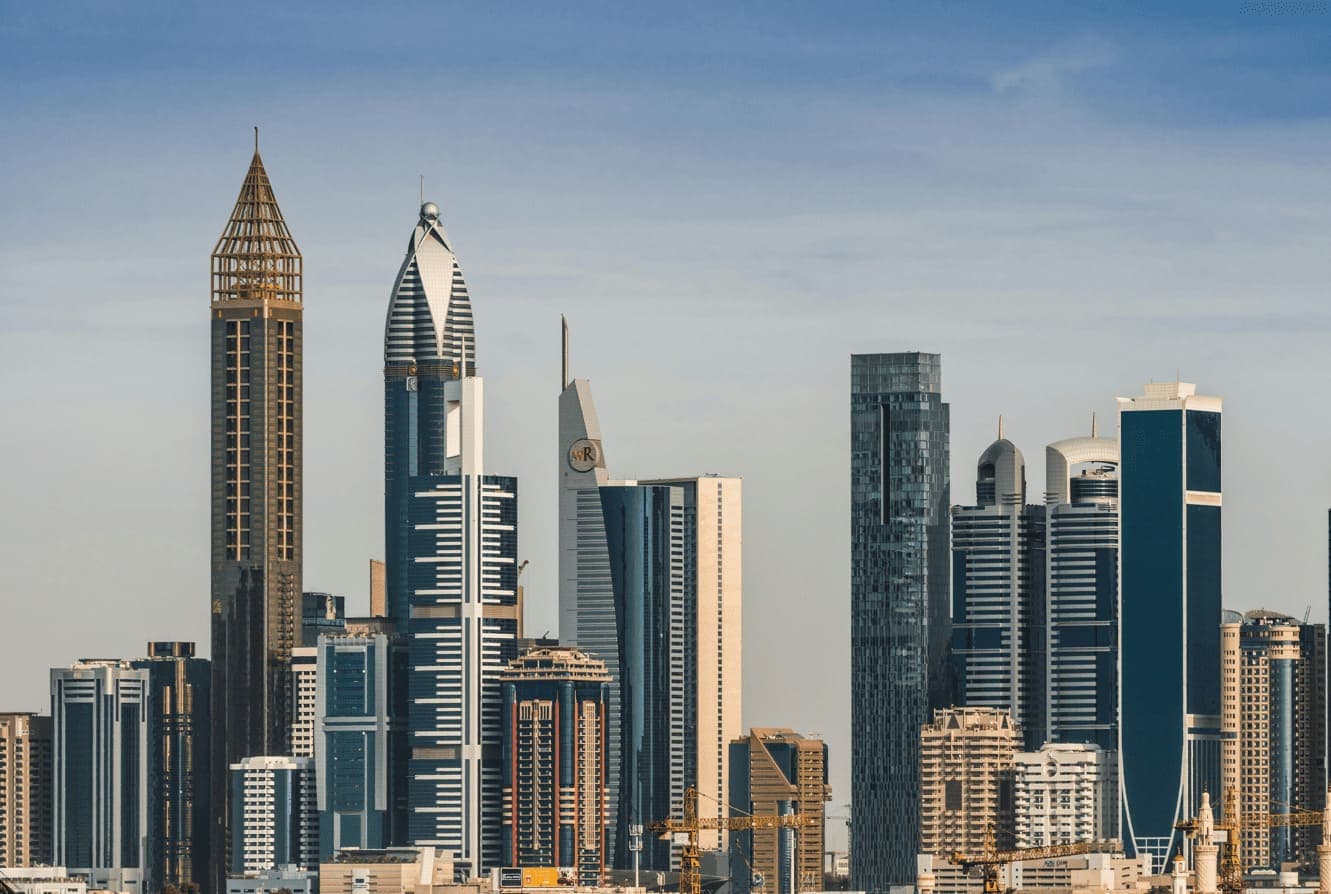
Why Dubai belongs in the conversation
Dubai is no longer a simple offshore property story for Indian capital. It is a combined real estate, business migration, rental income, residency and global operating base story. The city offers a level of transaction process, foreign buyer access and market visibility that many private real estate markets do not.
For founders and business families, Dubai is useful because real estate and company setup can be planned together. A property may support lifestyle, rental income or long stay optionality. A free zone company may support regional trading, consulting, services, holding structures or global operations, subject to licensing and compliance.
Property strategy before project selection
The first decision is not which launch to buy. The first decision is whether the buyer wants ready income, off plan capital growth, family use, holiday use, business presence or long term residency optionality. Each answer leads to a different shortlist.
Ready apartments in established communities can make sense for rental visibility. Off plan projects may offer payment flexibility but need careful developer, escrow, delivery and resale review. Villas and townhouses appeal to end users and families, but the entry ticket and maintenance profile differ. Prime branded residences can be attractive for status and liquidity, but only if the purchase price is disciplined.
How to underwrite a Dubai property
A serious Dubai property review should include purchase price per square foot, service charges, expected gross and net yield, vacancy assumptions, furnishing budget, community supply pipeline, developer reputation, handover timeline, rental comparables and resale volume. Currency exposure is also part of the investment case for Indian buyers.
The best opportunities usually do not depend on one heroic assumption. They work because location, pricing, rental depth and exit liquidity all line up. A strong payment plan cannot rescue a weak asset. A famous developer cannot rescue a poor entry price. A beautiful view cannot rescue a thin tenant pool.
Free zone company setup as a service line
Dubai free zones allow foreign investors to set up companies under dedicated zone authorities, with the exact process depending on the selected free zone, activity, legal form, office requirement and approval path. Those details should be confirmed with the relevant authority and qualified corporate advisers before a client commits.
For Hacoco clients, the practical service is not only filling forms. It is choosing the right free zone for the intended activity, understanding whether mainland trade is needed, mapping visa and office requirements, coordinating documentation, planning bank account readiness and avoiding a license that looks cheap but does not fit the business.
Where Hacoco can help
Hacoco can help Indian buyers define a Dubai mandate across property acquisition, developer review, shortlisting, introductions, negotiation support and professional coordination. For business setup, Hacoco can coordinate free zone selection, company formation support, visa pathway planning, office package review and banking preparation with relevant licensed providers.
The right Dubai plan should connect the asset, the business purpose and the family's wider capital structure. That is where a curated advisory process is more useful than a generic property tour or a one size fits all company setup package.
The primary market filter
Dubai's primary market is deep, active and launch-heavy. That is good for choice, but it also makes selectivity more important. A buyer should not compare projects only by payment plan, view or brand. The stronger filter is whether the completed unit will have demand from tenants, end users or resale buyers when the project is delivered. That requires looking at community maturity, access, competing supply, service charges, unit efficiency and the developer's ability to deliver what was sold.
Hacoco treats off plan as a future completed asset, not as a brochure. We ask what the unit competes with at handover, whether the community has enough daily-life infrastructure, how many similar units may hit the market together, and whether the buyer can hold through a slower resale window if needed. This is where many weak off plan purchases reveal themselves before money moves.
Free zone selection should follow the business model
Free zone selection should not begin with the lowest advertised package. It should begin with the business activity, client base, invoice flow, visa requirement, physical office need, banking expectations and whether mainland trade will be relevant. A consulting business, trading company, holding vehicle and services firm may need different licensing logic even if the setup process looks similar from the outside.
The practical risk is friction after incorporation. A license that is cheap but poorly matched can complicate banking, invoicing, visas or future expansion. Hacoco helps clients frame the use case before introductions are made, so the setup path supports the operating reality rather than creating a company that exists on paper but struggles in execution.
Banking and substance are part of the plan
Banking readiness is often underestimated. A UAE bank may want to understand ownership, activity, expected transaction volumes, source of funds, client geography and business substance. Property buyers and company founders should prepare documents, business rationale and transaction expectations early. Waiting until after incorporation or purchase can create avoidable delays.
For families combining Dubai property and company setup, the banking conversation should be aligned with the broader capital plan. Hacoco coordinates the sequence so the buyer is thinking about documentation, proof of funds, company purpose, visa plans and property payments together. This is not glamorous work, but it is often where serious buyers separate themselves from casual enquiries.
Common mistakes Indian buyers make in Dubai
The first mistake is buying a launch because it is popular. Popular projects can still be overpriced or oversupplied. The second mistake is ignoring service charges and net yield. The third is assuming every off plan unit will appreciate before handover. The fourth is buying for a visa or headline benefit without understanding the asset itself. The fifth is treating free zone setup as a commodity service instead of a structure that should fit the business.
A better Dubai decision starts with a written mandate: ready or off plan, apartment or villa, income or use, currency objective, visa relevance, business setup requirement, hold period and exit expectation. Hacoco uses that mandate to narrow the field and reduce the risk of buying the wrong product for the right city.